Feeding & Grazing myths
Feeding, Feeds & Grazing Myths
When it comes to feeds and feeding, there’s a lot of misinformation out there. People often think that ruminants should never eat grain (or that’s all they eat), should only graze grass, or are pumped full of antibiotics and hormones. Ethical resource allocation arguments also arise, including the claim that cows contribute to world hunger and that their food should be allocated to people instead. Find these and more myths below!
***Note: Not all buttons are active links! See below for details.
PAGE UNDER CONSTRUCTION
You will find most of the buttons lead you nowhere.
This is because the site admin is in the process of creating pages or posts that will link to these buttons in the future.
Please check regularly for updates! Sorry for the inconvenience!
Ruminating on Feeding Ruminants
Ruminants are fascinating creatures, having been specially adapted over millions of years of evolutionary history to digest coarse plant material into nutrients, energy, and products needed for themselves and to eventually feed other animals.
Essentially, they are, quite literally, walking fermentation chambers on four legs.
However, ruminants, especially cows and cattle, have been perceived as “public enemy number one” in recent years due to their seemingly insurmountable requirements for extensive land, water, and other resources to sustain them.
In the fight against climate change, this “lack of efficiency” is one of the reasons ruminant livestock have been judged guilty without parole and sentenced to a gradual decline in population, ultimately being deemed “no longer a threat to the environment,” whatever that point may be.
Other reasons are their “harmful” enteric methane emissions, their “inability” to sequester carbon and help heal the soil, and other dubious accusations.
However, others view ruminants as the innocent party because they are subject to being “forcibly” fed certain feeds and feed additives for improved gains in the slaughter market, higher milk production, or to efficiently raise them in confinement operations where they are kept.
Still, others have certain misconceptions about various crops in terms of how they are grown and, most importantly, where they ultimately end up: for human consumption (and, necessarily, the edible kind), or cattle feed. Almost all who bring up these arguments believe that ruminants are in direct competition with people for what is available for food versus feed.
Many people don’t appreciate the differences between ruminants and humans, particularly in terms of digestive anatomy. This drives many of these myths and fallacies to continue to persist.
Before exploring the myths below, it’s highly recommended to check out the links provided, which define ruminants and provide detailed information on their plant digestion process. This will help clarify any future confusion about which of the myths below are indeed myths.
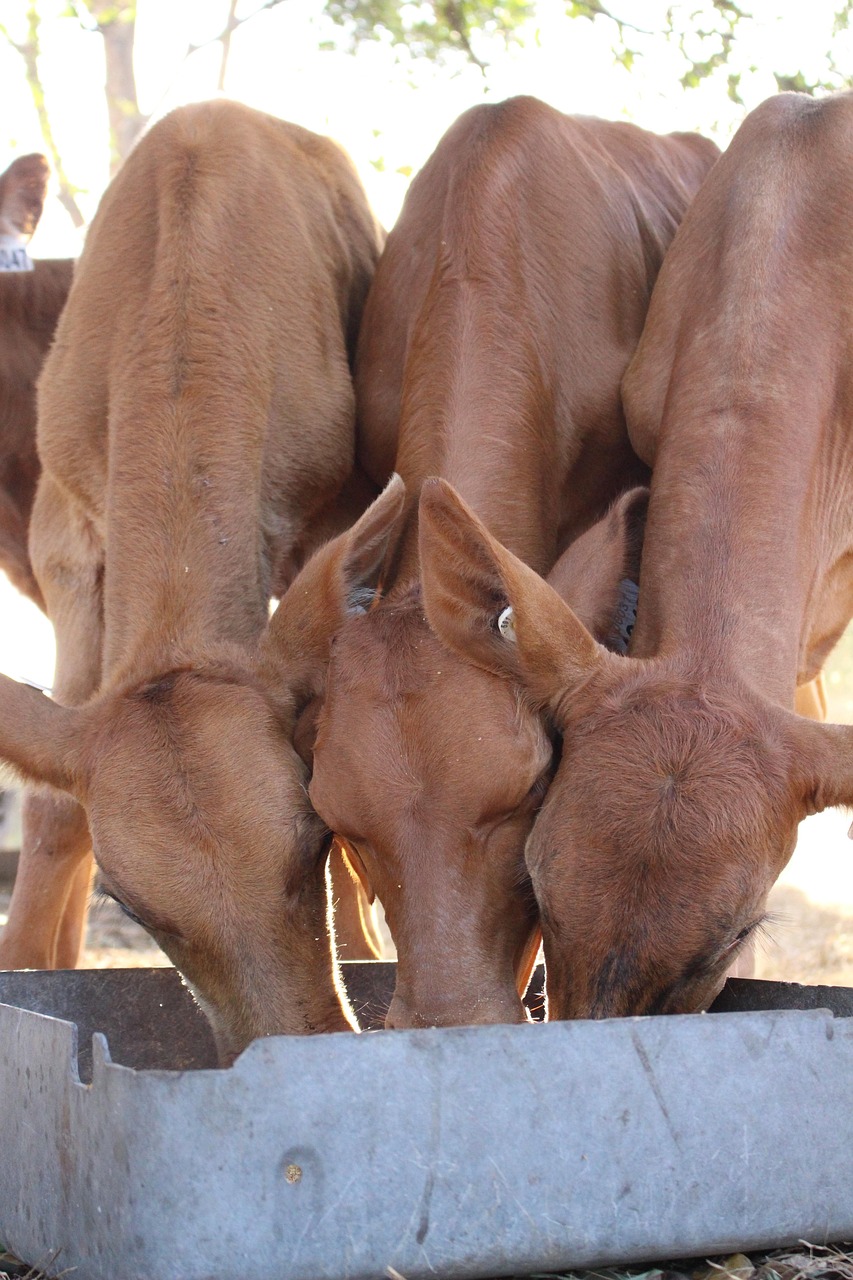
Feed vs. Food Crop Fallacies
This section targets the ethics around resource allocation and distribution. People express concerns that, because ruminants like cows eat so much, perhaps they’re stealing away what should go to people instead. Or, that land should be dedicated to grow food to feed people instead of feeding a farmer’s cows. While this targets all ruminants, cattle tend to be the one in the crosshairs of most activists, or just people who are concerned with the impact of animal agriculture on the environment.
Eating Grain vs. Grass
There are myths that cows and cattle eat nothing but grains, and then there are myths that they can never eat grains because it’s horrifically toxic to them. And then some people exclaim that all cows should be on grass, yet none ever see a pasture at all. These are just the most common myths that people share when they see cows eating on a farmer’s social media page.
Feed Additive Myths
A lot of fears surround the use of hormones and antibiotics in meat and dairy. Many assume that these feed additives are poured indiscriminately into the feed of dairy cows or finisher beef cattle, allowing them to consume them freely (or forcibly, as others have claimed), making the milk and meat heavily tainted and therefore unhealthy. This is called “poor management,” believe it or not. And a farmer who does this won’t be selling much meat or milk anytime soon when folks find out about that.
Feeding Baby Ruminants
Newborn ruminants—namely calves, lambs, and goat kids—need proper feeding as soon as they come out of the womb. But what if you have the responsibility to feed them when their mother cannot? Many myths surround the feeding of baby calves, baby lambs, and goat kids, including the amount of milk they require, the quality of colostrum, and when they should start drinking water and eating solid food.
Other Feeding & Grazing Myths
The remaining myths and misinformation below are mostly old wives’ tales from farmers, ranging from what ruminants do and don’t need while on pasture to what’s good or toxic for goats and sheep. However, there are a fair few of other myths that have been spread by animal activists which belong here.
Basically, what doesn’t fit in the sections above gets placed here.